Compassion and Accountability in Cambodia: ChildSafe and Friends-International
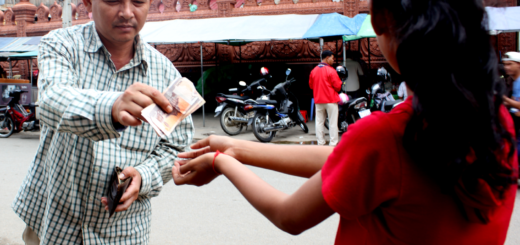
A piece by Panha Chezda, published recently on Chaktomuk Insight highlighted the startling claim by the head of the Department of Social Affairs in Kampong Speu province, Cambodia, that some organized beggars could be earning upwards of $3,000 a month. Another recent article from ChildSafe Movement also put the spotlight on the alarming rise of large-scale family-organised child begging in Siem Reap, Cambodia. This raises a dilemma. When visible hardship can translate into greater financial gain than formal employment, is our compassion inadvertently enabling a system that really does not help the most vulnerable, and can actually place children at further risk?
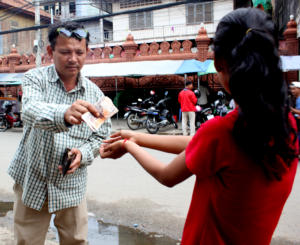
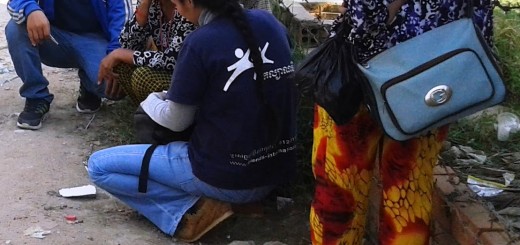
For over three decades, we at Friends-International and our child protection initiative the ChildSafe Movement have emphasized and advocated for the need for balanced approaches which safeguard children while fostering sustainable solutions to poverty. When we see children on the streets, it is a natural instinct to want to help. For many, that means giving direct monetary donations. However, supporting organized begging networks financially empowers those who exploit hardship, especially when children are involved. ChildSafe advocates for respecting children’s rights and protecting their futures by encouraging support that gets them off the streets, back into school and provides genuine assistance rather than reinforcing exploitative practices.
Organized begging further complicates our understanding of generosity. Reports of individuals using QR codes to solicit funds reveal a worrying trend where casual compassion could contribute to destructive cycles. This is further compounded by some social media influencers, who normalise actions which are frankly exploitative, giving money or gifts to gain followers or clicks.
Good intentions can yield unintended negative consequences. If citizens become skeptical about their donations due to instances of fraud or misappropriation, those truly in need experience the collateral damage of reduced public goodwill.
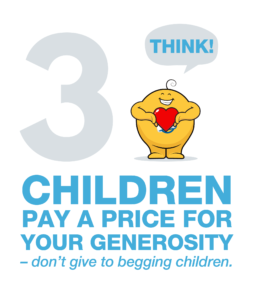
To disrupt this cycle, we have to place a dual focus on both compassion and accountability. Friends-International and ChildSafe, through resources such as their 7 Tips for Travelers, suggest supporting or donating via channels which ensure aid reaches those most at risk, particularly vulnerable children. For example, engaging with established, reputable local organizations can provide clear support pathways that prioritize education and rehabilitation over spontaneous donations that may perpetuate begging.
As a society, our challenge is to reshape the narrative around aid in Cambodia and other countries. Instead of fostering a ‘charity market’ that distorts goodwill into exploitation, we must create a framework where donations contribute to long-term change. By doing so, we protect not just children on the streets but also the integrity of our community’s compassion.
So, we must remember that genuine efforts require transparency and responsibility. Fostering a collective commitment to accountability can ensure that our compassion leads to sustainable outcomes, which ultimately transforms the global dynamics of aid for the better.