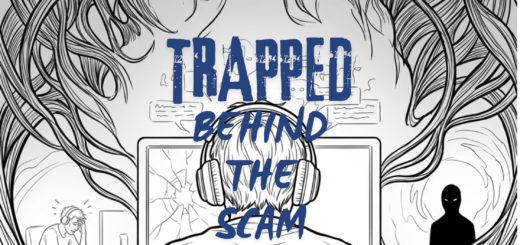
#TrappedBehindTheScam: 7 Tips from Friends to Avoid Being Trafficked Into Scams
Every year, many thousands of people accept what looks like a life-changing job abroad. Much better pay, a fresh start, a way to support their family… then they discover, often too late, that the job was not real. What was advertised as employment turns into forced labor, debt bondage, or worse. They have become a victim of one particular kind of human trafficking – the scam.
Trafficking networks use fake interviews, fake HR departments, fake Telegram groups, staged “profit” screenshots, and carefully applied psychological pressure. They build debt traps and emotional manipulation until leaving feels impossible.
Human trafficking rarely announces itself. It hides behind those convincing job ads, the friendly recruiters, and paperwork that looks official enough not to question.
However, there are almost always warning signs along the way — if you know what to look for.
30th July is #WorldDayAgainstTrafficking In Persons, with the gobal theme of ‘Trapped Behind the Scam’.
Here are Seven Tips we have developed at Friends-International to avoid people being trafficked into scams.
Everyone considering work abroad should be aware of these!
1. THINK! Verify the Job Independently
Don’t rely on the recruiter’s word alone. Look up the company’s official website, confirm it’s actually registered.
Then contact it directly using publicly listed contact details — never a number the agent hands you.
2. THINK! Never Pay Large Advance Fees
Genuine employers sponsor visas and put agreements in writing — they don’t demand large upfront payments.
Be wary of any request for a “visa fee,” “processing fee,” “placement fee,” or urgent travel fee, especially amounts running into the thousands. That’s a classic scam pattern, not standard hiring practice.
3. THINK! Be Alert If the Destination Changes
A job advertised for one country and a plane ticket for another is one of the oldest bait-and-switch tactics in trafficking.
If the destination shifts unexpectedly, stop, re-verify everything, and never board a flight under pressure to “just trust the process.”
4. THINK! Watch for Visa Manipulation
Real embassies and visa offices don’t conduct business over WhatsApp or Telegram.
If your visa arrives through casual messaging apps, changes at the last minute, or you’re told not to speak to anyone at the airport, something is very wrong.
5. THINK! If Your Passport Is Taken — That’s Immediate Danger
No legitimate employer confiscates passports, forces year-long contracts, or charges thousands of dollars just to let someone leave.
Passport confiscation is a well-documented method of trafficking control, not routine paperwork.
6.THINK! If You’re Already Trapped — Stay Calm and Think Strategically
In this situation, emotional confrontation or a rushed, unplanned escape attempt can be dangerous.
Instead, quietly gather information, memorize addresses and details, build trust over time, and wait for a genuinely safe opportunity — while looking for any chance to reach an NGO or embassy.
7. THINK! Contact Safe Organizations
Help exists, and reaching out is always worth it:
- The International Organization for Migration (IOM)
- Your country’s embassy — even one in a neighboring country
- Local anti-trafficking NGOs
- Trusted international hotlines
Importantly: even if someone was forced to participate in a scam or crime while trapped, they are legally recognized as a trafficking victim in many countries — not a criminal.
Awareness is one of the strongest defences against trafficking.
So, if you or someone you know may be caught in this kind of situation, don’t wait. Reach out to the IOM, a local embassy, or a trusted anti-trafficking hotline today.
This #WorldDayAgainstTrafficking, please share this with someone who might need it!
(to support our vital work on safe migration and anti trafficking – click here)