Building Futures (and hope) Through Skills Training
A positive outlook after troubled times in this story from Cambodia…
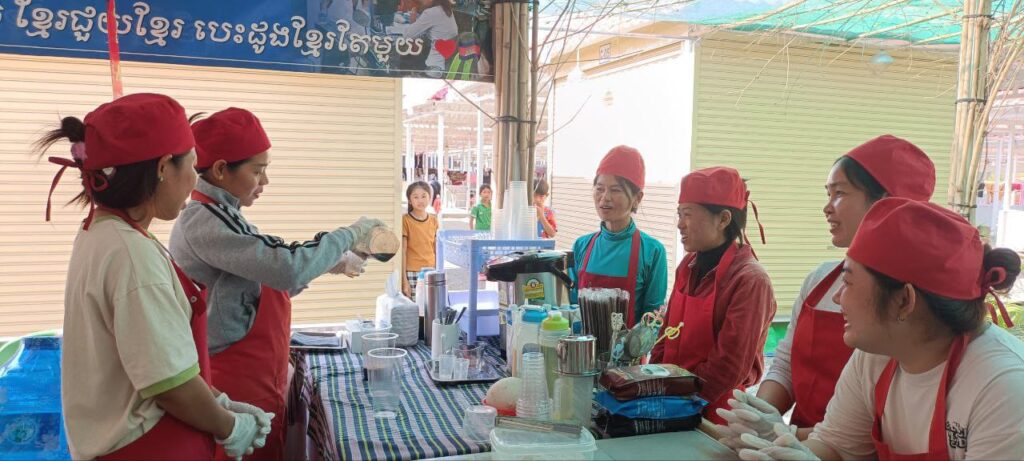
Despite the welcome ceasefire, border tensions continue to affect communities across Cambodia. Many families (estimated at 500K persons) have left their homes for temporary shelter and safety elsewhere. In Siem Reap, internally displaced persons (IDPs) are trying to rebuild a sense of stability while still living with uncertainty. They are unsure whether their homes, land, and businesses will still be standing when it’s finally safe to return.
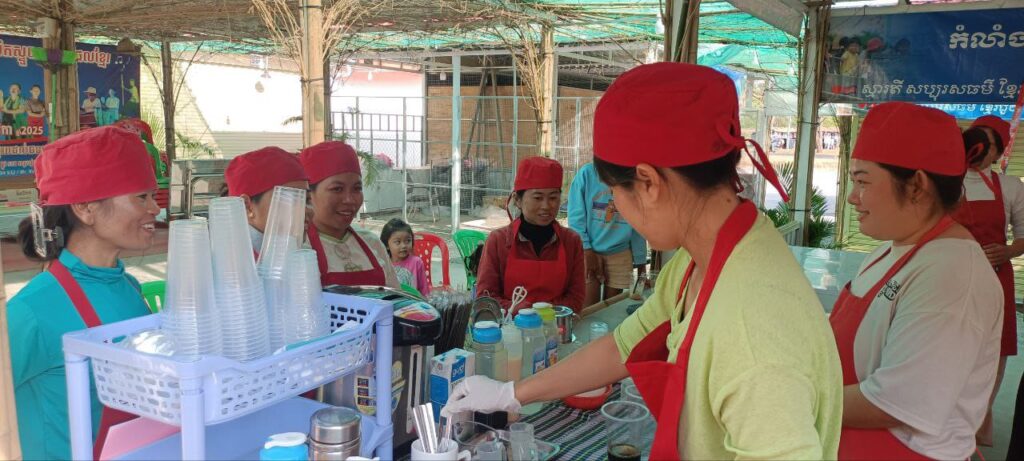
Amid this insecurity, our Kaliyan Mith program in Siem Reap is taking action to ensure that displaced youth and adults have something vital to hold onto: hope for the future, a grounding in skills that can open new opportunities no matter what comes next.
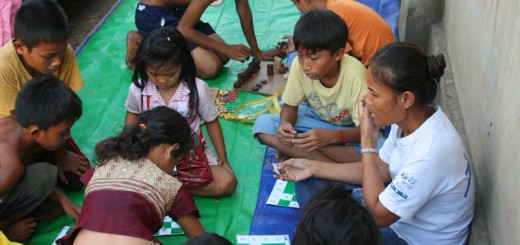
At several of the displacement camps across Siem Reap, our teams are meeting people where they are and assessing their needs, understanding their fears, and offering skills training that can help them rebuild their lives.
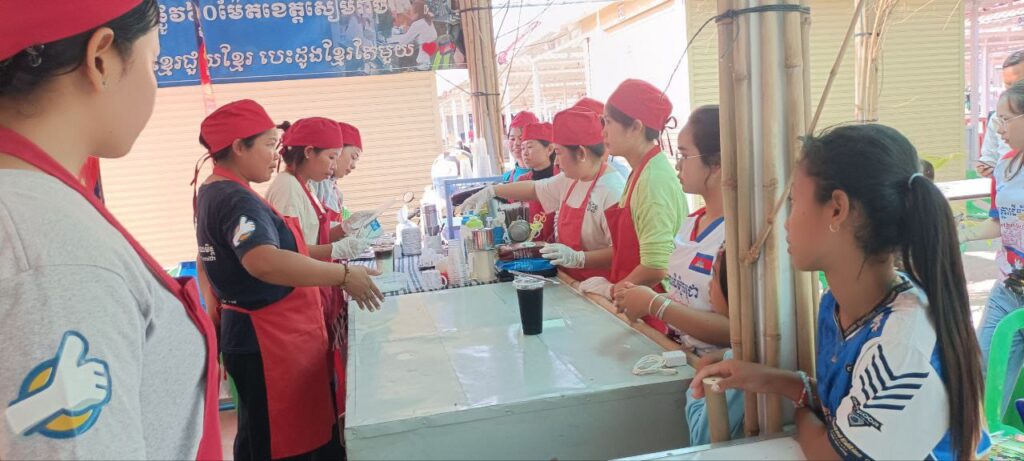
Mork Dina, Building Futures Coordinator at Kaliyan Mith, says that interest is high:
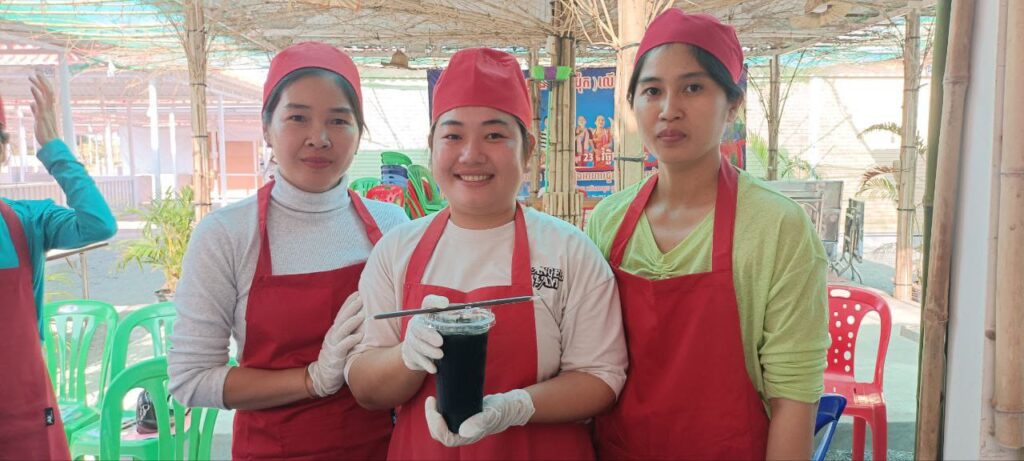
“We are looking for every opportunity to build skills here. At the Night Market 60m camp, seven females are interested in micro‑mobile drink training. Many displaced persons are interested in learning various skills: 10 people are interested in barber training and two are interested in beauty salon training. We hope to get even more vocational training registrations from them next week.”
The enthusiasm is clear, that despite the challenges and trauma of displacement, people are eager to learn, eager to recover, and eager to regain independence.
For many displaced families, returning home is not a simple choice. With reports of homes damaged or destroyed and small businesses looted or lost, people face an uncertain future. Even after the conflict subsides, rebuilding will take time—and incomes are urgently needed now.
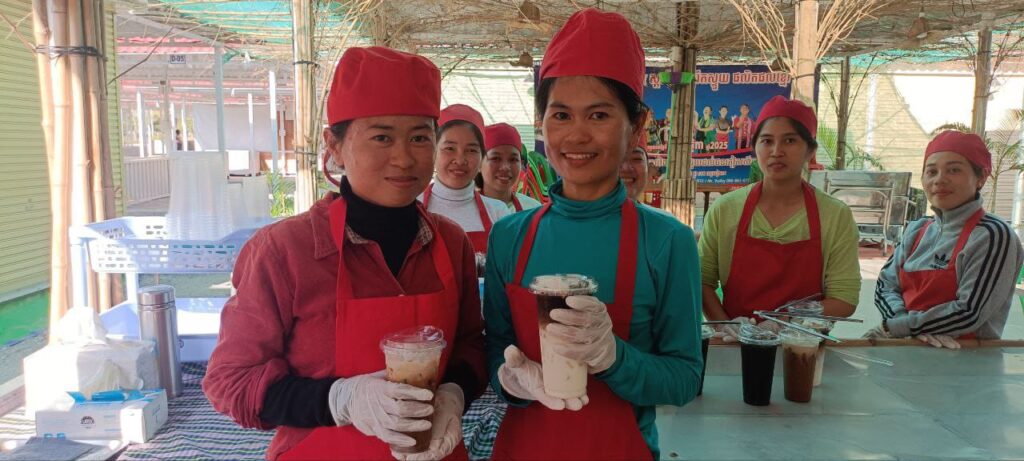
This is where vocational training becomes more than just education. It provides a source of dignity, helping families regain control and stability in their daily lives. It acts also as a psychological anchor, giving displaced individuals something positive and purposeful to focus on. It offers a safety net, offering practical ways to earn a living even in temporary shelters, and importantly gives a foundation for the future, whether they return home or start anew elsewhere.
By learning skills like these, participants can generate income quickly, making these trainings particularly valuable for people who have left everything behind.
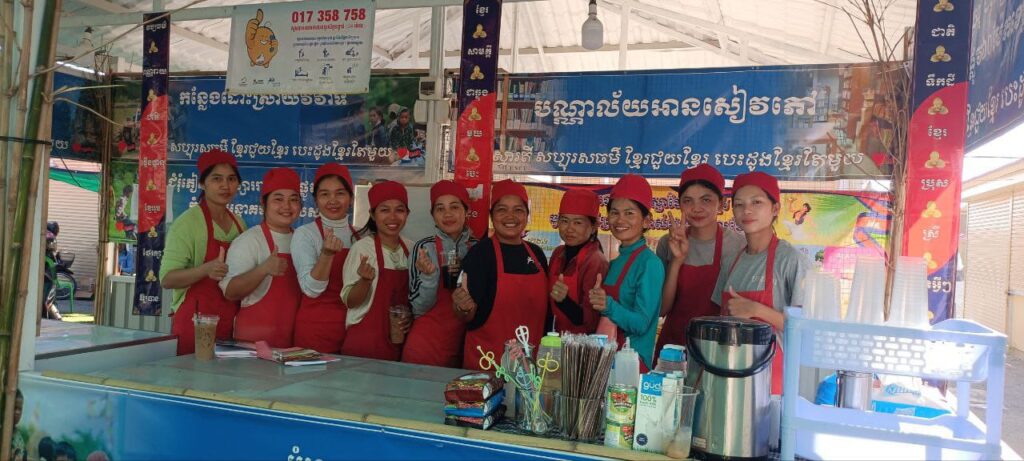
Our work in these displacement camps reflects Friends‑International’s core mission: Together, building futures. When the future feels fragile, offering a pathway forward is not just practical—it is transformative.
Dina sees this hope every day:
“Everywhere possible, we are looking for ways to build up skills.”
And for the people in these camps, those skills are more than vocational opportunities, they are lifelines.
They are rebuilding their hope.
One training at a time.
(Support our work at http://friends-international.org/donate)