Volunteer Viewpoints Part 4: Why Good Intentions Aren’t Enough
written by Ninbunlinna Touch
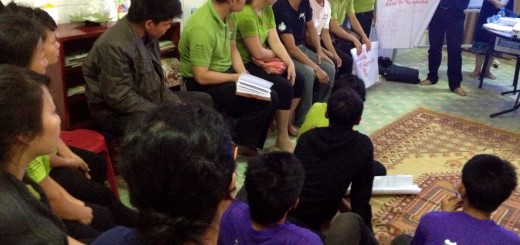
When I joined an outreach program with Friends International (FI), I expected to learn about how to communicate better with communities. What I didn’t expect was a lesson that completely reshaped how I think about volunteering with children.
During one session, the team explained why FI doesn’t allow volunteers to work directly with kids unless they have proper training and experience. At first, I thought: isn’t helping children the whole point? But then they broke it down.
Children aren’t just “projects.” They’re people who need stability, trust, and professional care. When untrained volunteers step in even if they do it with the best intentions, it can still actually be dangerous. Without knowledge of child protection, trauma, or safe interaction, we risk crossing boundaries, creating false attachments, or even exposing kids to harm.
I remember sitting there and realizing: if I walked into a classroom tomorrow with no background in child psychology or protection, I could easily do more harm than good. That was a wake‑up call.
Instead, FI showed us how volunteers can contribute responsibly. We supported outreach campaigns, helped raise awareness, and worked alongside trained social workers who know how to protect children. It wasn’t about being the “hero” in a child’s life but rather it was about strengthening the systems that keep them safe every day.
This experience taught me that ethical volunteering isn’t about what feels good for me. It’s about what’s safe for the child. Sometimes that means stepping back, even when your heart wants to step in.
I share this because many young people dream of volunteering in an organization that works with children to help them but you should consider many additional points regarding your intentions and whether it’s suitable to help the children directly. It’s easy to imagine yourself teaching, playing, or being the person who makes them smile. But if you don’t have the right training, that dream can unintentionally put kids at risk.
So here’s my reminder: before you volunteer, ask yourself this, do I have the skills to do this safely? If not, there are still so many ways to help. Support awareness campaigns. Assist with communications. Work with communities. These roles may not give you the perfect photo, but they protect children in ways that last.
That’s the lesson Friends-International gave me, and it’s one I hope more young people will carry with them: volunteering should never put children at risk, no matter how good our intentions are.
To learn more about responsible volunteering visit thinkchildsafe.org/volunteers
Support Friends-Internationals work at friends-international.org/donate