Volunteer Viewpoints Part 3: Help That Lasts
written by Angel Heng, Communications Intern
Growing up, I always felt bad for children who begged on the streets. I remember seeing kids walking barefoot on the asphalt, trying to make enough money to get by, and wondering how anyone could live that way. My first instinct was always to help in whatever small way I could. If someone was struggling, why wouldn’t you give them something, even if it only helped a little?
Working with Friends-International (FI) has made me think about that question differently. I’ve learned that short-term help, while often well-intentioned, does not always address the reasons someone is struggling in the first place. When support only provides temporary relief, it can leave people without the tools or opportunities they need to become more independent. I’ve started to understand that helping someone is not just about what we can give them today, but about what happens after that help is gone.
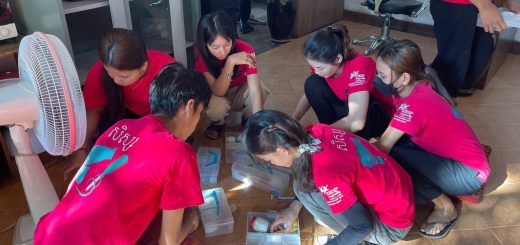
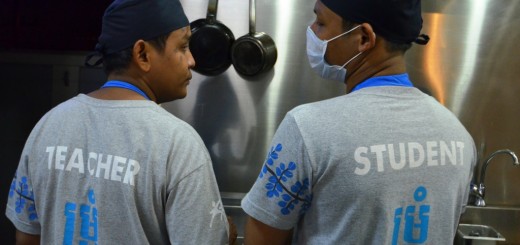
FI’s approach is not simply to give people something and walk away. It is about providing the support, skills, and opportunities people need to stand on their own feet eventually. One of the things that stood out to me was FI’s investment in trained local staff. People who come from the community understand its challenges in a way that someone visiting for a few weeks simply cannot. Local staff can build relationships, understand the needs of the people they support, and continue that work long after a short-term volunteer has gone home. Their impact also extends beyond their immediate work. Many of FI’s trained local staff were once students themselves, and they now carry the lessons and knowledge they have gained forward to the next generation.
I think this is especially important when working with vulnerable communities. It can feel meaningful to see an immediate result from helping someone, but lasting change is often much slower and less visible. At FI, that can mean vocational training, soft-skill development, help finding stable work, building confidence, and eventually being able to support oneself and one’s family. These changes may not happen overnight, but they can completely change the direction of someone’s future.
Before working at Friends-International, I mostly thought about whether help was being given. Now, I think more about what happens after that help is gone. For me, sustainability means creating pathways for people to become independent and giving them the tools and support to get there. It means building something that can continue even when the person who first offered help is no longer there.
Short-term help can come from a good place. I know I have felt that instinct myself. But I’ve learned that the most meaningful kind of help is not always the help that gives the most immediately. Sometimes, the best thing we can do is help someone build a future where they no longer need us.
Support the work of saving lives and building futures at friends-international.org/donate
Learn about the ChildSafe Movement, go to thinkchildsafe.org